Welcome!Before you dive into this blog, I encourage you to take a moment to brew yourself a cup of your favourite tea or coffee. Making a cup of tea or coffee isn’t just about having a drink; it’s about setting the mood for a journey through flavours, memories, and traditions. As the aroma fills your space and the warmth of the cup meets your hands, you’ll find that the experience of reading this blog becomes even more enjoyable. Ready? Let’s begin.
The Cultural Significance of Tea and Coffee
Tea:

Tea has been cherished around the world for centuries. Whether it’s the detailed tea ceremonies in Japan, the relaxing afternoon teas in Britain, or the lively chai stalls in India, tea has always brought people together in simple yet meaningful ways.
Tea holds a special place in my heart because I grew up on a tea plantation in Kerala, where my father worked. The plantation wasn’t just a workplace; it was a lively community. Surrounded by lush gardens, I learned early on that the taste and aroma of tea are shaped by more than just the leaves. Blending is crucial, but the elevation at which the tea is grown also plays a significant role. Tea from high-altitude plantations, like those in the hills of Kerala, has a richer, more complex flavour.
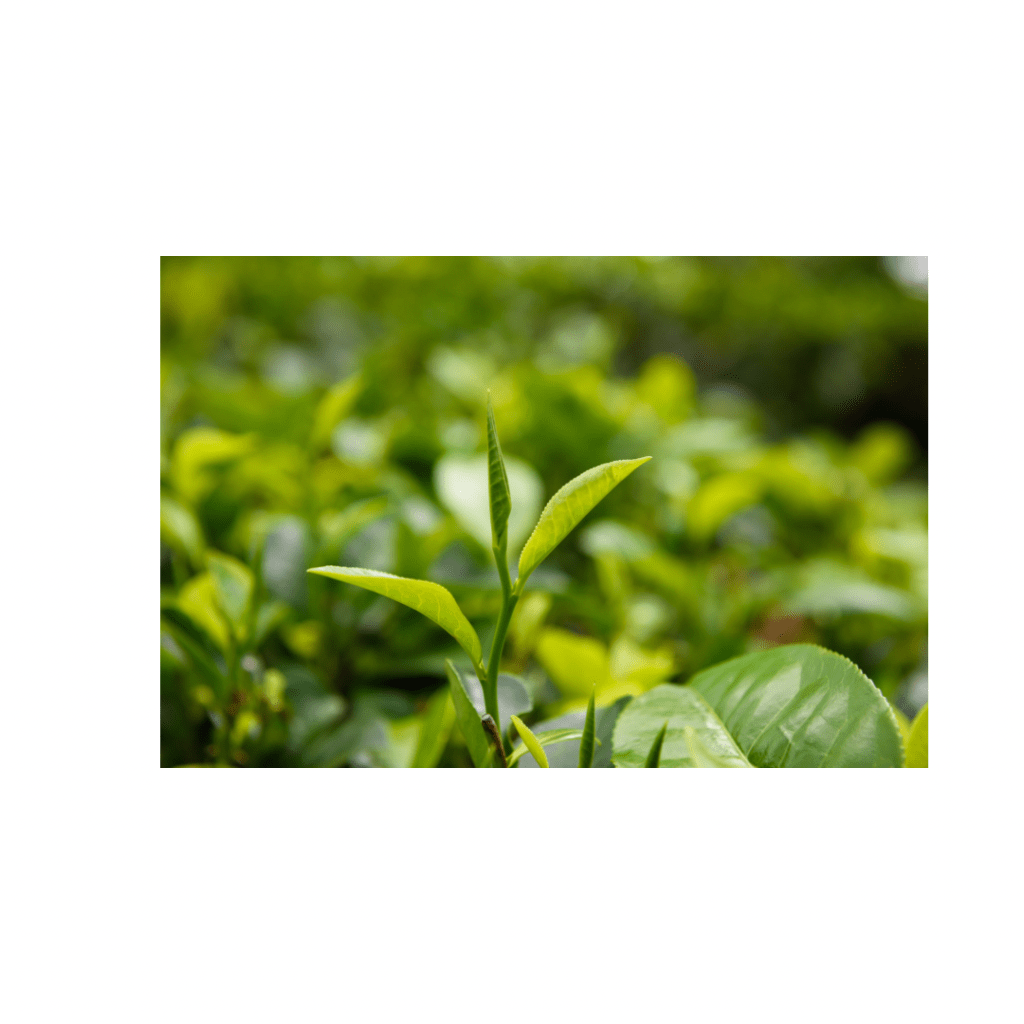
Our plantation followed organic practices, using minimal pesticides and focusing on sustainable farming. This created a healthier environment and produced pure and natural tea. The quality of the tea was also due to the careful plucking of the leaves. Only two leaves and a bud were picked, a delicate process traditionally carried out by women with the patience and skill to ensure the best quality.
However, there were times when machines were used to cut the tea leaves. While machine cutting was more efficient, it often resulted in a mix of leaves, stems, and other unwanted parts, making it harder to maintain the pure flavour that hand-picking could achieve. The women who plucked by hand did so with great care, ensuring that only the best leaves made it into the final product.
The women who worked on the plantation didn’t just pick tea; they also brought their cooking traditions to the fields. Early in the morning, they would prepare tea over a simple cooktop made from three large stones and a big pot. The tea was basic—just black tea and sugar—but it was made special by how they enjoyed it. Each woman held a piece of palm jaggery in one hand and sipped the tea, taking small bites of the jaggery in between. This warm, communal ritual brought them together as they started their day.
Lunchtime was another time when the women would cook rice, vegetables, and spices in a large pot in the field. The meal began with rice soup, followed by the main dish. This communal cooking and eating was more than just nourishment; it was a time to bond, share stories, and build a strong community. The women who picked the most tea leaves each week or month were often given prizes, adding a bit of friendly competition to their hard work.
Coffee:

Coffee, like tea, has a rich history. It started in the highlands of Ethiopia with the story of a shepherd named Kaldi, who discovered the energising power of coffee beans. From there, coffee spread worldwide, symbolising energy, creativity, and social connection.
My coffee connection is deeply rooted in my childhood. My father also inherited a land where we grew coffee, pepper, and cardamom. I fondly remember picking coffee beans with my family and then drying them in the warm sun. The joy of having our coffee beans was a particular part of our lives. We didn’t just drink coffee—we were connected to it from the ground up.
Growing up in Kerala was a unique experience. The beauty of nature surrounded our home. I used to shower in forest waterfalls, feeling the cool, refreshing water on my skin. The forest was like a treasure trove, offering fruits we would pick and enjoy among the trees. Fishing and hiking were also part of my childhood adventures, filling my days with excitement and discovery.
Every day, I would walk to school through the plantation roads, enjoying the peaceful surroundings. One afternoon, I came across an old lorry parked on a steep road to load sacks of tea leaves. Its headlights were separated, giving the appearance of big eyes staring at me. I was so scared that I turned around and ran back home to tell my mother about it. Despite that one frightful experience, I usually felt safe walking to school. There was a shortcut through the cemetery that I often took. I had never heard of ghosts then, so the idea of being scared never crossed my mind.
We had many pets at home—rabbits, birds, and more. These animals were my companions and added to the richness of my childhood. My father cared for them, just as he did with all the animals on our land.

In our home, coffee was more than just a drink; it was a way for my mother to show her love. She would prepare a unique blend of coffee with a rich, aromatic flavour. The final touch was always a teaspoon of homemade ghee, lovingly poured into the hot coffee. This ghee, made with care, added a smooth, buttery flavour that made each sip delightful. It was a small ritual that brought comfort and joy to the start of each day.
During the COVID-19 pandemic, many of us were stuck at home, finding comfort in familiar routines. During this time, I came across a touching reel on social media. The reel showed a retired man who, despite a lockdown, got dressed and ready to go to his favourite coffee shop—only to be reminded by his daughter that he couldn’t go out. Not discouraged, the man walked outside, knocked on the kitchen window, and “ordered” his coffee from his daughter. This simple yet powerful act perfectly captured the importance of our daily rituals, even in tough times.
Watching that reel took me back to my childhood, reminding me of the comfort and stability that these small rituals offer. Whether it was my mother’s lovingly prepared coffee or the communal cooking on the tea plantation, these moments provided a sense of routine and connection, something we all needed during the uncertain times of the pandemic.
The Changing Environment

Recently, I revisited the place where I grew up and noticed how the environment has changed. Tigers now come from the forest to catch cattle, making it harder for the community to live there. The sense of safety we once enjoyed has been replaced by caution. Despite these changes, my childhood memories remain sweet—especially when we would gather wild honey from the forest, a treat we cherished and enjoyed together.
We also had a beautiful vegetable garden matching any modern supermarket’s produce section. The difference, of course, was that everything was fresh and pesticide-free. Among the many vegetables we grew, the bitter gourd was a favourite of mine. I love trying different recipes using bitter gourd, appreciating its unique flavour and health benefits.
The Health Benefits and Rituals
Both tea and coffee offer more than just flavour—they bring health benefits and moments of calm into our lives.
Tea:
Tea, especially green tea, contains antioxidants that help fight inflammation and reduce the risk of chronic diseases. Herbal teas like chamomile and peppermint are known for their calming effects, often helping with better sleep and digestion. Black tea’s bold flavour supports heart health and provides a gentle energy boost.
Coffee:
Coffee is also rich in antioxidants, which protect against diseases like Parkinson’s and Alzheimer’s. The caffeine in coffee not only boosts energy but also enhances focus and mental clarity, making it a go-to for many during morning dips.
A Final Thought
Whether you prefer tea or coffee, these drinks offer more than just a way to start the day—they bring comfort, warmth, and a connection to rich cultural traditions and personal memories. As you finish your cup, take a moment to appreciate the history, the effort, and the love that has gone into every sip.
Thank you for joining me on this journey
through tea and coffee. I hope this blog has deepened your appreciation for these timeless drinks. If you enjoyed this read, please share your thoughts in the comments below, and let’s continue the conversation over another cup!

 Siby Inspires.
Leave a reply to Siby Thomas Cancel reply